
H-1B $100,000 Fee Targets New Applicants Abroad
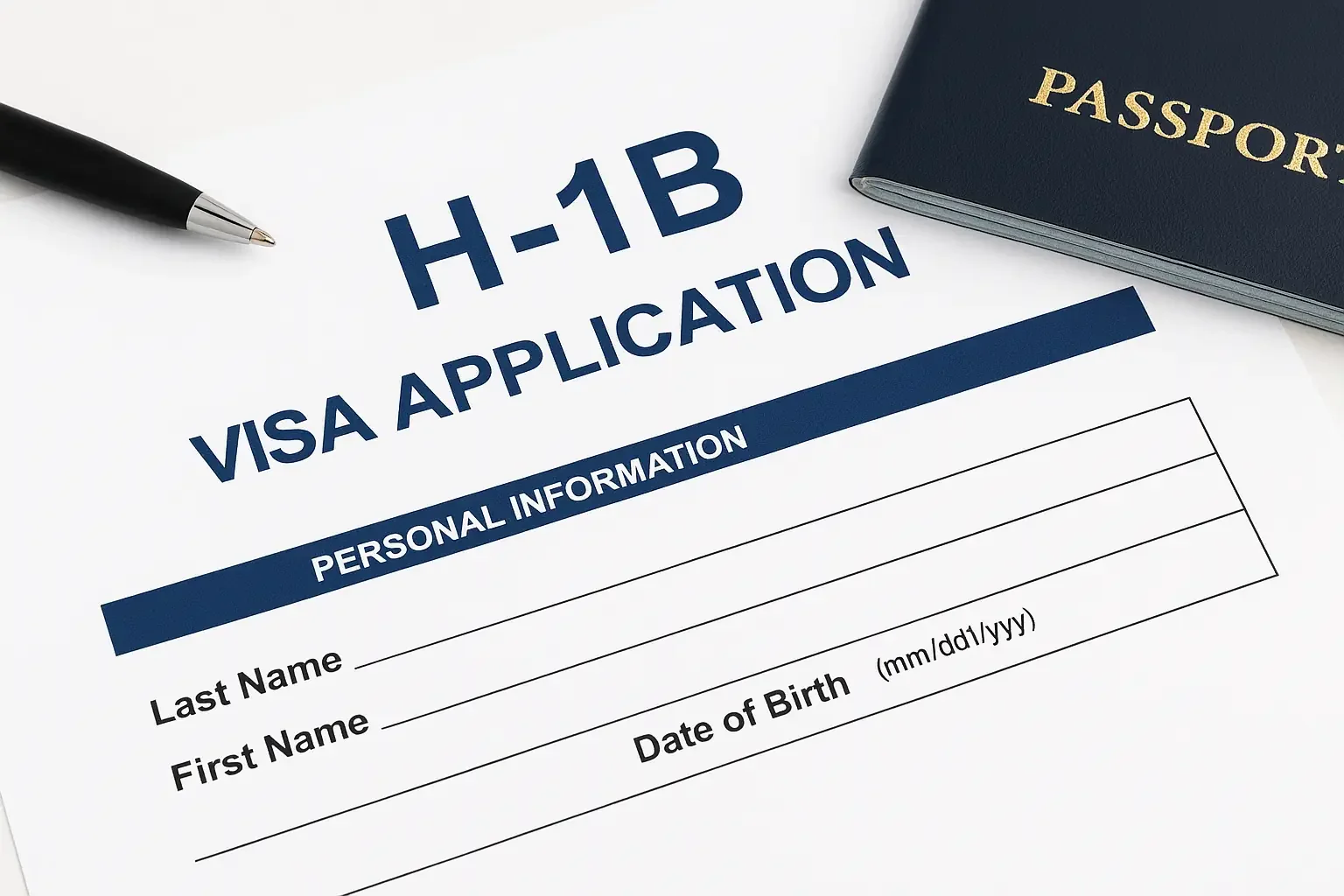
The United States Citizenship and Immigration Services (USCIS) clarified late Monday that the $100,000 H-1B fee announced in September applies only to new H-1B applicants who are outside the United States and are not current H-1B holders, CBS News reported today. Petitions filed on or after September 21 for workers abroad are subject to the fee. USCIS also says the fee applies if a petition filed on or after September 21 requests consular notification, port of entry notification, or pre-flight inspection. The payment must be made before applying for an H-1B visa. The fee does not apply to people changing status inside the United States, such as students moving from F-1 to H-1B.
How The New H-1B Rule Affects Employers
Overseas hires get much more expensive. If you plan to onboard an employee who is abroad and needs consular processing, budget for an extra $100,000 per worker.
U.S.-based talent on valid status is not subject to the fee when changing status. F-1 to H-1B changes of status filed inside the country are not covered by the fee under current guidance.
Timing and processing path matter. Choosing consular processing can trigger the fee. Where legally possible, a change of status inside the U.S. can avoid it.
Expect litigation and potential policy shifts. The U.S. Chamber of Commerce and a coalition of health care groups and labor unions have sued to block the fee. Outcomes could alter timelines or obligations.
Workforce effects may be mixed. Some domestic job seekers may see near-term benefits if employers delay overseas hiring. Other research, including a 2024 IZA study, finds H-1B hiring can expand overall employment and lead to additional domestic jobs.
How It Affects H-1B Candidates and Their Families
If you are abroad and seeking a brand new H-1B, the fee currently applies. If you are already in the United States in another status and your employer files a change of status to H-1B, USCIS says the fee does not apply. If you are an existing H-1B worker, renewals and reentry are not covered by this fee under the latest guidance.
For many H-1B visa holders, family stability depends on the H-4 visa program, which allows spouses and dependents to live in the United States, and, in many cases, to work. On October 14, 2025, the U.S. Supreme Court declined to review a challenge to the Obama-era rule granting H-4 spouses work authorization, effectively preserving their right to seek employment while living in the U.S. That decision provided major relief to thousands of families who rely on dual incomes.
Why Legal Counsel Helps Right Now
An attorney can evaluate whether your case triggers the fee, advise on change-of-status vs consular routes, structure filing timelines, and monitor the court challenges that could pause or strike the fee. Employers should also review budgeting, offer timing, and alternative visa options such as TN, L-1, or O-1 where appropriate.
Harmony Law can help
If you are hiring or seeking H-1B status and need a clear plan under the new guidance, Harmony Law can help you choose the lowest-risk, most cost-effective path. Not a resident of Arizona? Harmony Law may help connect you with one of our trusted immigration attorneys in other states.
Contact Harmony Law today at (888) 427-1280 to schedule a confidential consultation and safeguard your family’s future.
